Longform — History
Bauhaus Functionalism Was a Method, Not a Style, and Its Imitators Inherited Only the Style
The school's real legacy was a sequence of thinking about material, use and process; the geometry now sold in its name reverses that sequence and calls the result design.
By Amina Patel—28 September 2026—6 min read

Walk into almost any shop that sells lamps, chairs or kettles to people who think of themselves as having taste, and you will meet the Bauhaus. Not the school itself, which opened in Weimar in 1919 and was closed in 1933, but its afterimage: primary colours, lower-case sans-serif type, tubular steel bent into confident curves, a circle, a square and a triangle arranged on a poster like saints in an altarpiece. The look is now so familiar that it no longer reads as a look. It reads as "design", full stop.
This is a strange fate for a school whose functionalism was, in its own self-understanding, a procedure rather than an appearance. The principle usually summarised as "form follows function" was never meant as a recipe for what things should look like. It was a claim about order of operations: understand the material, the use and the means of production first, and let the form arrive last, as a consequence. The Bauhaus tried to teach that order through its preliminary course and its material-based workshops. A method of this kind, by definition, cannot be seen in the finished object. It can only be inferred from it.
My claim is that this is exactly why the method was lost. A principle that reliably produces a recognisable appearance will, sooner or later, be mistaken for that appearance, and the appearance is far easier to copy than the thinking. Bauhaus functionalism survives today chiefly as a style, which is to say as the one thing it set out not to be. Recovering the method means distrusting the look most of all where the look is most faithfully reproduced.
Further reading
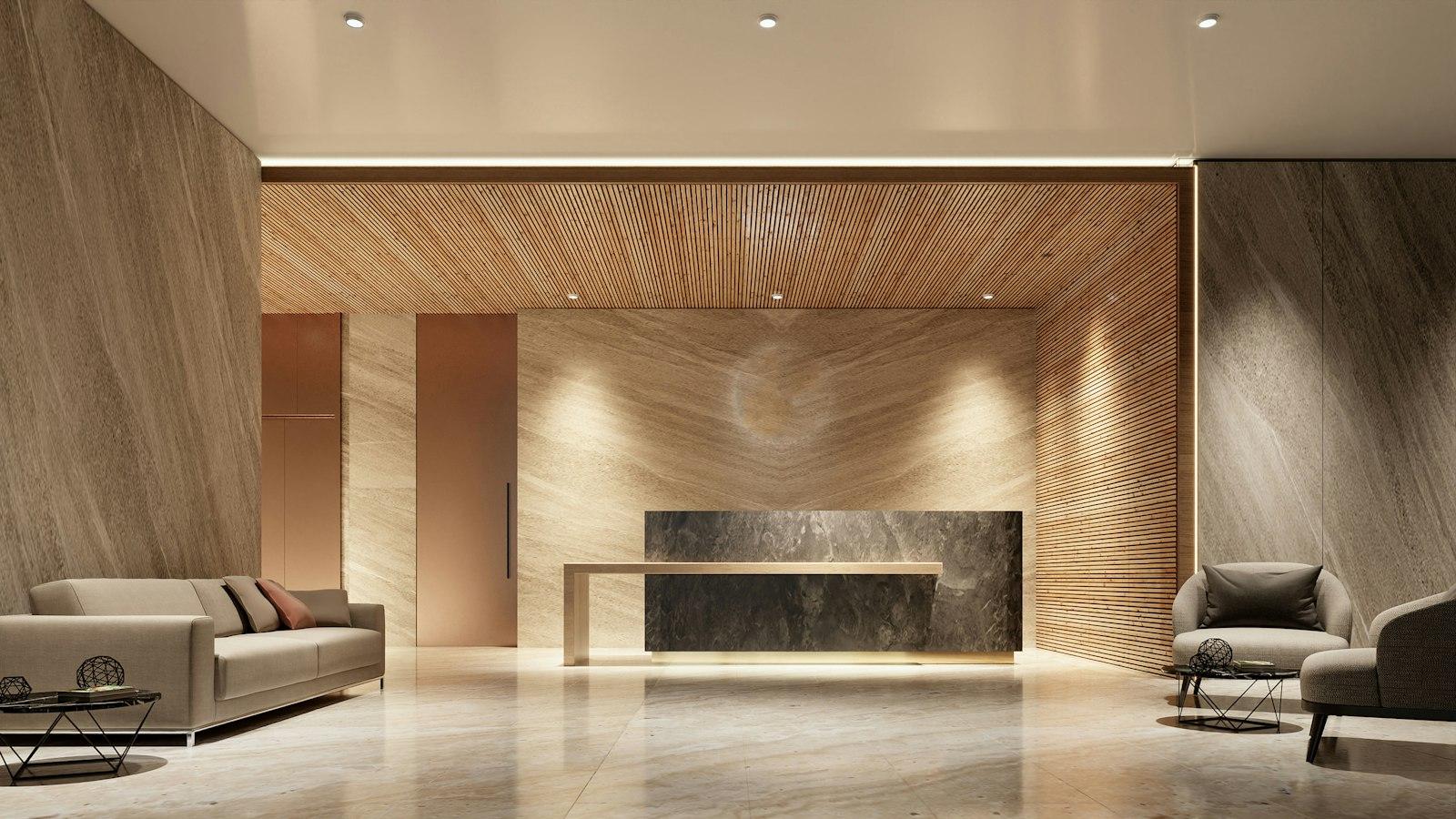
Purpose as Barthesian Myth: Why the Mission Statement Empties the Product It Claims to Ennoble
Read through Barthes's Mythologies, the purpose-driven brand dresses a commercial exchange as a natural moral fact, and the only honest answer is a product that can be checked.
By Elena Rossi—7 min read

The Aristotelian Good Life Against Lifestyle Design: Why Beautiful, Useful Objects Can Still Fail Us
Beauty and usefulness measure whether a thing excels at being itself; Aristotle's question of flourishing asks whether it helps us live well, and design cannot dodge it.
By Amina Patel—6 min read
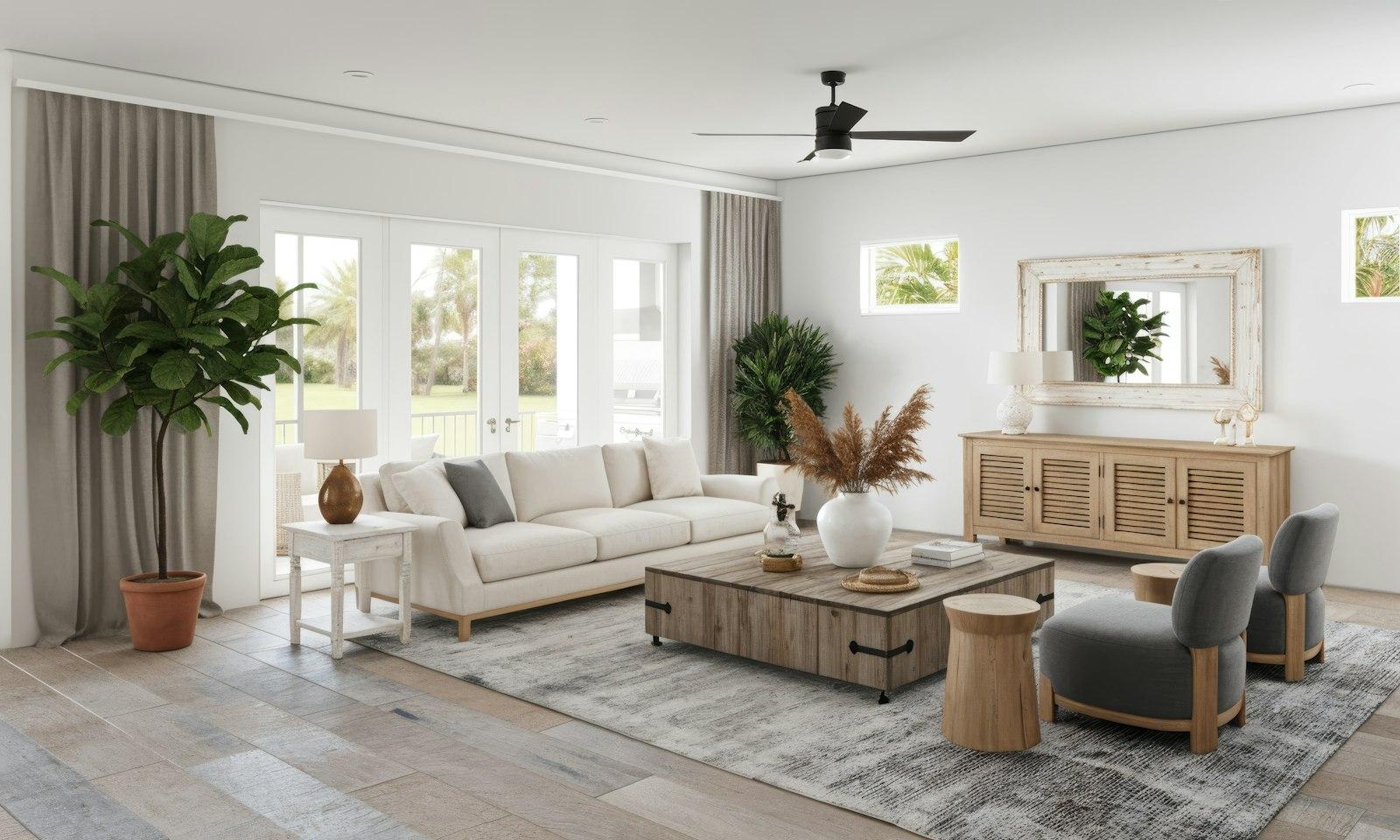
Affordances Are Not Virtues: Why Designed Interiors Cannot Deliver Aristotle's Flourishing Life
Gibson's affordances explain how rooms invite action, but the lifestyle catalogue mistakes an invitation for an achievement, selling the conditions of flourishing as though they were flourishing itself.
By Marcus Lee—6 min read