Essay — Branding
Purpose as Barthesian Myth: Why the Mission Statement Empties the Product It Claims to Ennoble
Read through Barthes's Mythologies, the purpose-driven brand dresses a commercial exchange as a natural moral fact, and the only honest answer is a product that can be checked.
By Elena Rossi—31 August 2026—7 min read

There was a time when a company that made soap was content to say that its soap got things clean. It might add that the bar smelled pleasant, or lasted longer than the one beside it on the shelf. These were modest claims, and they could be tested at the sink. Walk down a shopping street now and you are addressed instead in the language of the pulpit. A bottled water promises to restore your faith in the planet. A bank wishes to help you become the person you were meant to be. A sandwich chain describes its mission in terms that would not embarrass a minor religious order.
Roland Barthes gave us the instrument for reading this. In Mythologies he described myth as a second-order system of meaning: an ordinary sign, already complete in itself, is taken over and made to carry a further message, and the contingent, historical character of that message is drained away until it looks natural, simply the way things are. His best-known example is a magazine cover on which a young soldier salutes the French flag, an image conscripted into a statement about empire. Myth, in Barthes's account, hides nothing. It distorts by making what was made look given.
The purpose-driven brand is myth in precisely this sense. It takes the plain sign of a commercial exchange, soap for money, and loads it with moral meaning until buying a particular bar feels like a natural expression of conscience rather than a decision taken in a strategy workshop. This essay argues that the manoeuvre is, for the most part, a category error dressed as an awakening. It confuses the reasons a company might exist with the reasons a person might buy from it, and it empties the product even as it claims to ennoble it. The remedy is not a better manifesto but a return to the first-order sign: the object itself, the one part of the brand that must survive daily use.
Further reading
BrandingFree to read
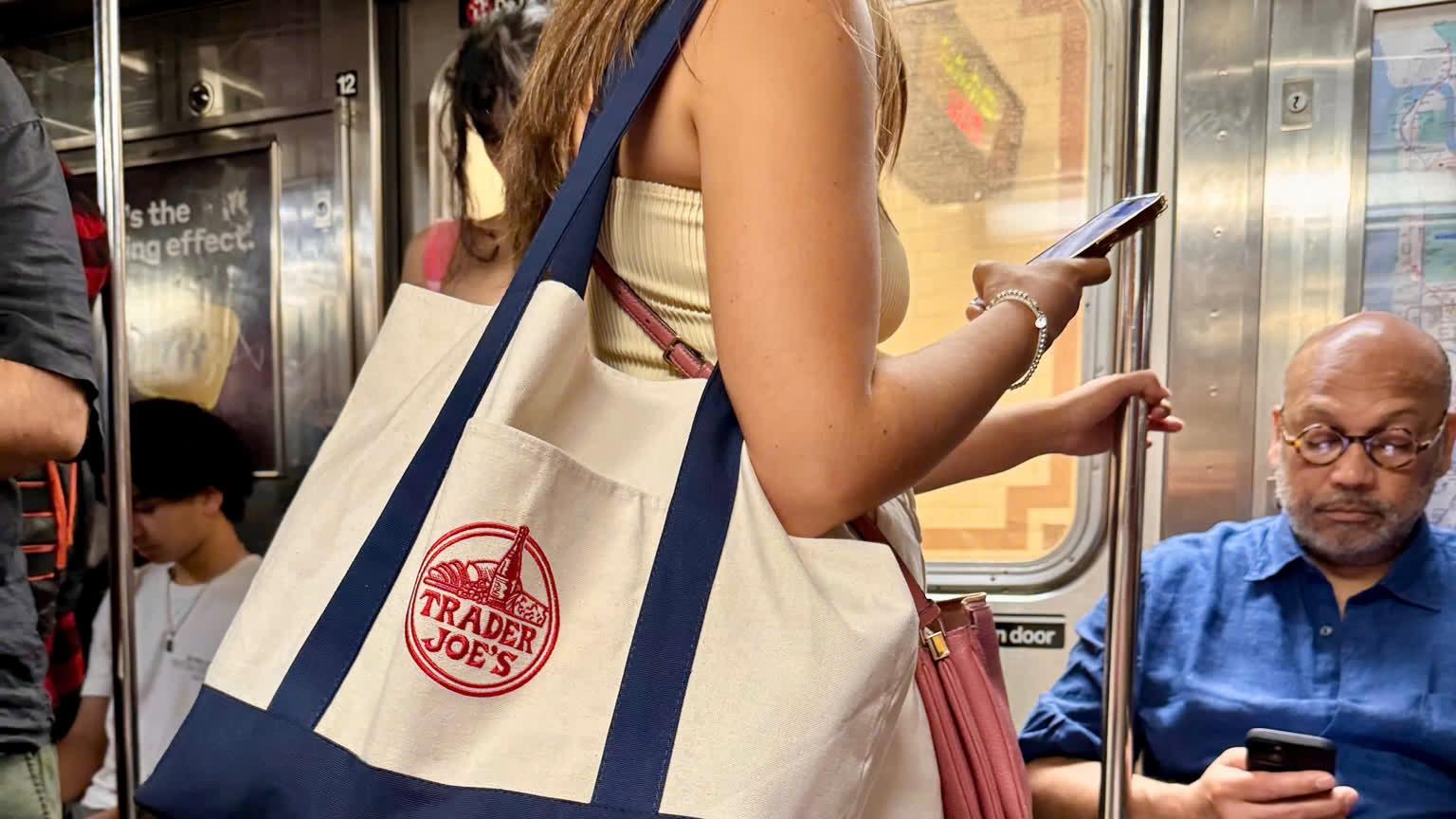
The Trader Joe’s Tote Bag Is a Middle Finger to the Artisanal Brand Class
What a three-dollar supermarket bag reveals about the absurdity of consumer taste, our desire to belong, and the intellectual pretensions of corporate storytelling.
By Julian Mercer—13 min read

From Index to Symbol: How Industrial Brands Hollowed Out the Handmade Mark of the Maker
The irregular edge once worked as a Peircean index, physical evidence of a hand; printed by the million it becomes a mere symbol, and real craft loses its voice.
By Julian Mercer—6 min read

Bauhaus Functionalism Was a Method, Not a Style, and Its Imitators Inherited Only the Style
The school's real legacy was a sequence of thinking about material, use and process; the geometry now sold in its name reverses that sequence and calls the result design.
By Amina Patel—6 min read