Essay — Art
Heidegger's Ready-to-Hand: Why Everyday Objects Carry Ideology Best When We Stop Noticing Them
Ordinary things transmit a culture's values precisely while they withdraw into use, which is why art that makes them conspicuous rarely loosens their grip for long.
By Marcus Lee—30 April 2023—6 min read
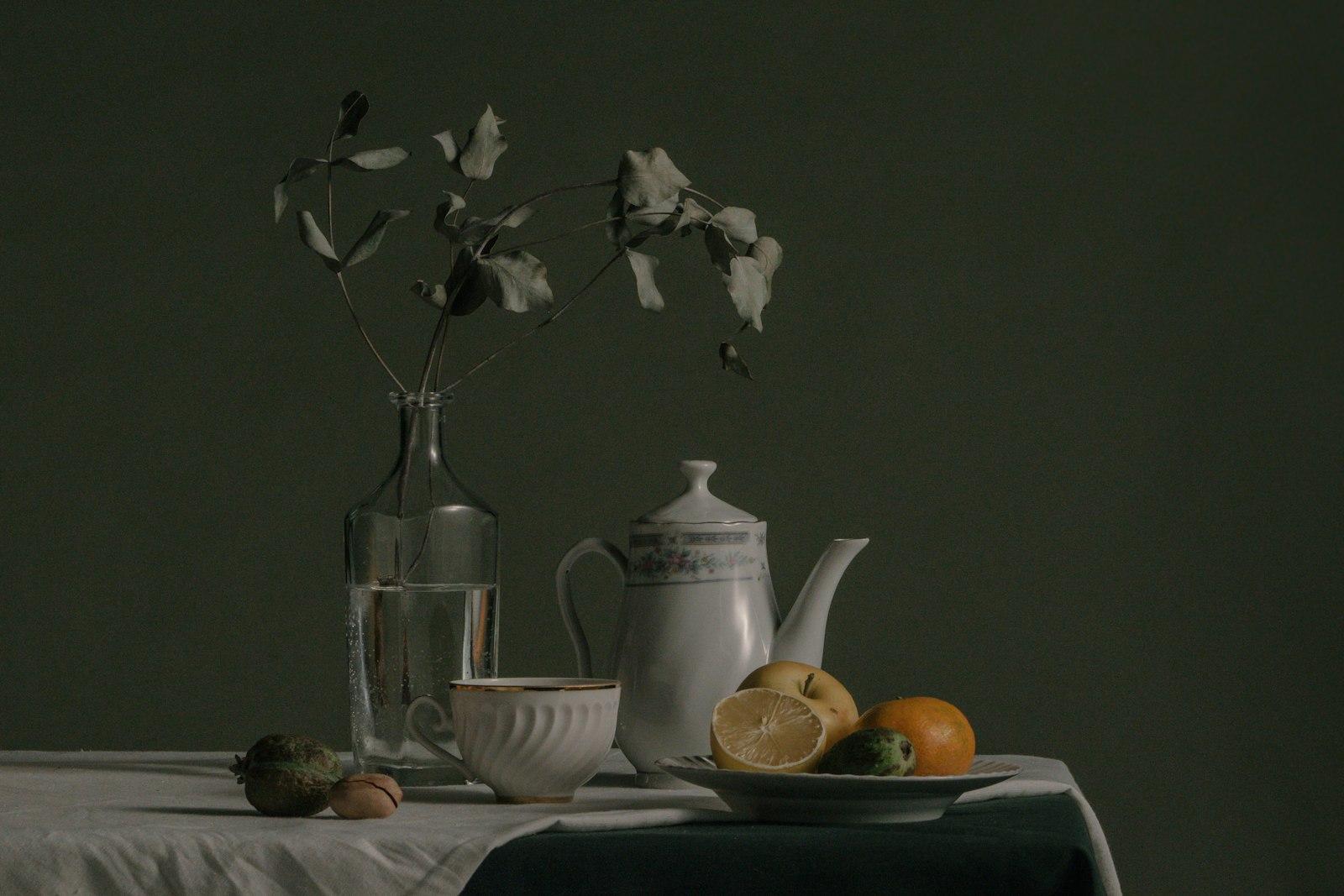
Pick up the mug on your desk. It holds tea, or coffee, or nothing at all by now. It was probably cheap, and you did not think hard about buying it. For most of the day you do not see it at all: your hand finds it, lifts it, sets it down, while your attention stays on the screen or the page. Only when the handle cracks, or the mug goes missing, does it suddenly become an object you have to look at.
Martin Heidegger gave this experience a name. In Being and Time he distinguished between things that are ready-to-hand, absorbed into the activity they serve so thoroughly that they disappear from view, and things that are present-at-hand, held up and regarded as objects. A hammer in use is barely there; a broken hammer is suddenly conspicuous. His point, in general terms, was that our primary relationship with things is not contemplation but use, and that use is a kind of not-noticing. We live through our tools rather than looking at them.
This essay takes that idea somewhere Heidegger was not especially concerned to go: into ideology. Ordinary objects carry the shared assumptions of the culture that made them, about work, rest, privacy and family, and my claim is that they transmit those assumptions most effectively precisely while they are ready-to-hand, invisible in use. A value that is never seen is never argued with. That is why art's long project of making everyday things conspicuous succeeds only briefly, and why the more lasting work of seeing what we hold has to happen at home.
Further reading

Bauhaus Functionalism Was a Method, Not a Style, and Its Imitators Inherited Only the Style
The school's real legacy was a sequence of thinking about material, use and process; the geometry now sold in its name reverses that sequence and calls the result design.
By Amina Patel—6 min read

Purpose as Barthesian Myth: Why the Mission Statement Empties the Product It Claims to Ennoble
Read through Barthes's Mythologies, the purpose-driven brand dresses a commercial exchange as a natural moral fact, and the only honest answer is a product that can be checked.
By Elena Rossi—7 min read
The Aristotelian Good Life Against Lifestyle Design: Why Beautiful, Useful Objects Can Still Fail Us
Beauty and usefulness measure whether a thing excels at being itself; Aristotle's question of flourishing asks whether it helps us live well, and design cannot dodge it.
By Amina Patel—6 min read