Essay — Culture
Index Without History: Why Manufactured Patina Counterfeits the Peircean Signs of Home
Real belonging leaves indexical traces caused by lived use; designed belonging copies their look as mere icons, and the copy can crowd out the slow process that makes home.
By Elena Rossi—26 July 2025—5 min read

Walk into a certain kind of café in almost any large city and you may feel, for a moment, that you have been there before. The reclaimed wood, the hanging plants, the exposed bulbs, the handwritten menu board, the music chosen to be noticed only when it stops. You have not been there before. You have been somewhere very like it, many times, in many countries. And the feeling the room is built to produce is not quite familiarity. It is warmer than that. It is the feeling of home.
Charles Sanders Peirce, the American philosopher who did more than anyone to systematise the study of signs, distinguished three broad kinds. A symbol means by convention, as a word does. An icon means by resemblance, as a portrait does. An index means by a real, causal connection to what it signifies: smoke indicates fire, a footprint indicates a foot. The marks of a home are indexes. The dip in the armchair was pressed there by a body; the scars on the kitchen table were cut by years of homework.
This essay argues that much designed belonging is an icon of home dressed up as an index. Distressed finishes, mismatched chairs and borrowed patina resemble the traces of lived use without having been caused by any. The manufacture is not always cynical, and sometimes it is kind. But a sign that only looks like a trace offers the feeling of belonging without its cause, and the counterfeit can crowd out the slow process that produces the real thing.
Further reading

Brands as Invented Tradition: Why Purchased Belonging Leaves Consumers Holding Stories They Cannot Rewrite
Hobsbawm and Ranger showed that traditions are manufactured; brand communities are invented traditions with a corporate author, offering belonging while withholding the community's power to tell its own story.
By Marcus Lee—6 min read
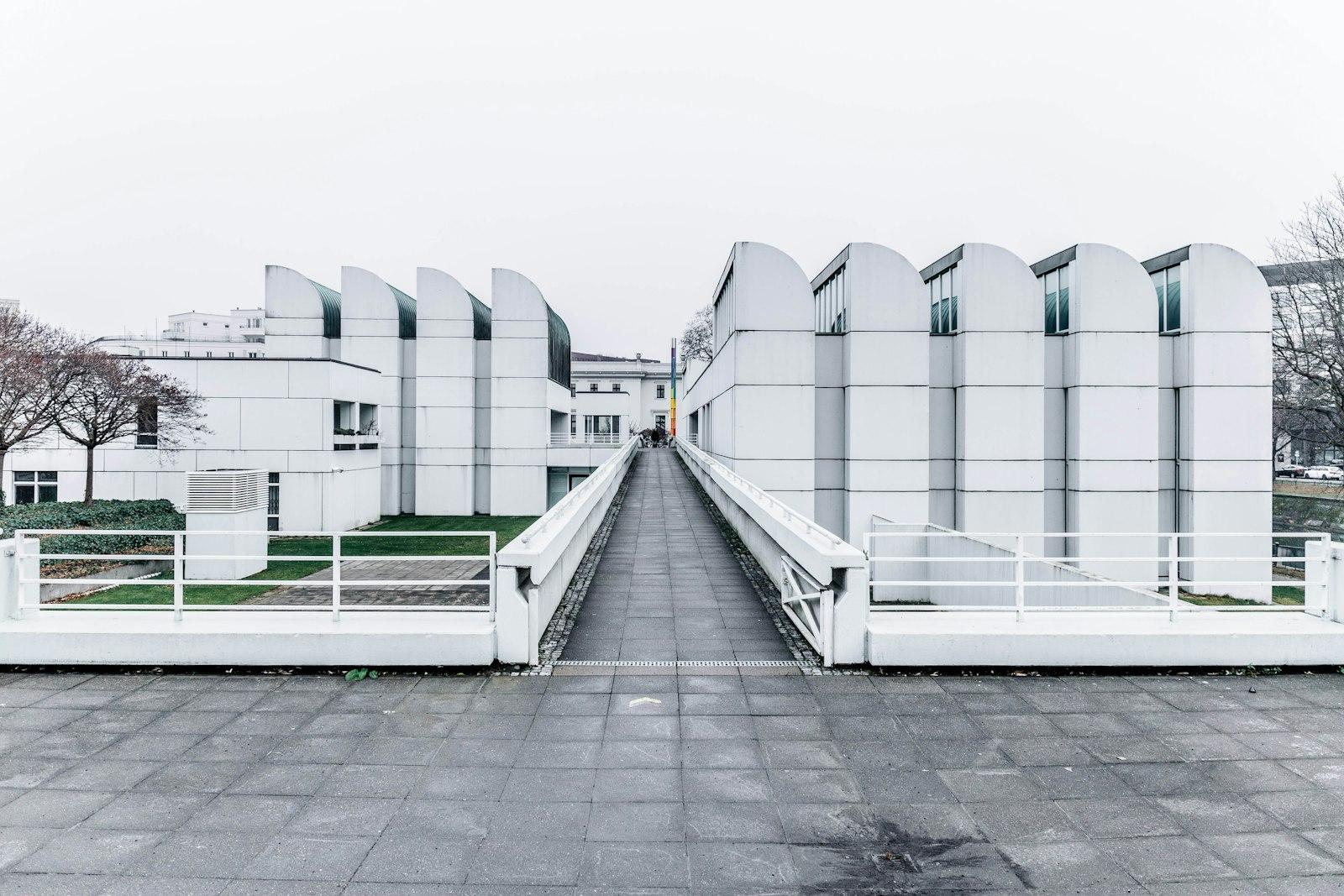
Bauhaus Functionalism Was a Method, Not a Style, and Its Imitators Inherited Only the Style
The school's real legacy was a sequence of thinking about material, use and process; the geometry now sold in its name reverses that sequence and calls the result design.
By Amina Patel—6 min read
Purpose as Barthesian Myth: Why the Mission Statement Empties the Product It Claims to Ennoble
Read through Barthes's Mythologies, the purpose-driven brand dresses a commercial exchange as a natural moral fact, and the only honest answer is a product that can be checked.
By Elena Rossi—7 min read